
How the Damian Lillard Trade Built the Trail Blazers Team He Always Wanted, in 6 Steps
Three years after the trade, Portland has built a team ideally suited to fit their all-time leading scorer as he returns.
Three years after the trade, Portland has built a team ideally suited to fit their all-time leading scorer as he returns.

Addressing the Blazers' current arena standoff and more.
With the Trail Blazers' sale finally set to close, a deep dive into how their incoming owner's hockey team has fared since 2018.

The Rose Garden Report is a fully independent publication providing coverage of the Portland Trail Blazers and Portland Fire that you can’t get anywhere else. Purchasing a premium subscription gives you full access to all articles and ability to participate in mailbags, as well as helping to cover travel costs and other expenses to bring you the best coverage possible.
📍NEW YORK — Trail Blazers fans have known Tom Dundon's name for seven months.
In that time, the franchise has been in a holding pattern. Dundon's group has had an agreement in place to buy the team from Paul Allen's estate for $4.25 billion since August, but aren't officially in charge yet as the NBA league office completes the vetting process for new owners.
That's going to change in the coming days.
This week, the NBA is holding its annual Board of Governors spring meetings, where they will discuss matters such as expansion, tanking remedies and the NBA Europe project that commissioner Adam Silver seems intent on making happen.
Dundon will be in New York to complete a final round of interviews with the board's finance committee and make sure everything is fully in place. The sale then needs to be approved by a three-quarters majority (23 out of 30 teams), but these things don't usually reach that stage unless they're going to go through. The vote is a formality. Dundon will officially own the team by the end of the month at the latest.
With the Blazers' ownership change finally imminent, the question of what kind of owner Dundon will be is more important than ever. In recent weeks, it's become a common topic of discussion and speculation among team employees at all levels, from support staff to top executives.
"We understand there's going to be some changes," acting head coach Tiago Splitter said before the Blazers' March 13 win over the Utah Jazz. "I can't go crazy with it, just gotta do my job, but there's definitely something in the air of the change, that's for sure."
What kind of changes are in store is anyone’s guess. Dundon hasn’t said a word publicly since news first broke in August that he was the winning bidder for the Blazers. So as fans wait to see how he transforms their team, and staffers wait to see if they’ll still have jobs under the new regime, all there is to do is wonder how it will all unfold.
This is where Dundon’s other team, the Carolina Hurricanes, could be instructive.
As he prepares to take over the Blazers, I've reviewed hours of interviews, podcasts and radio appearances he's done since he bought the Hurricanes in early 2018, as well as the reaction and coverage in the hockey world of his management of the team during that time, positive and negative.
Hockey and basketball are two different sports. The NHL and NBA are two different leagues with two different financial landscapes. Raleigh, North Carolina and Portland, Oregon are two different cities with two different sets of communities and cultures. Just because something worked for the Hurricanes doesn't mean it's going to work for the Blazers.
But Dundon does have an eight-year track record owning a major professional sports team in a market about the same size as Portland, and that track record is worth a deeper look as he's finally set to take over the Trail Blazers.
The Whalers moved from Hartford to Raleigh in 1997, rebranding to the Hurricanes and changing their color scheme from blue and green to black and red. They had some early success in their new market, making the Stanley Cup Finals in 2002 and winning it four years later, but were largely bottom-dwellers.
Following their 2006 Cup run, the Hurricanes made the playoffs just once in the next 12 years, churning through five head coaches in that time. They consistently ranked at or near the bottom of the NHL in attendance, and owner Peter Karmanos, who bought the team as the Hartford Whalers in 1994, had mounting money problems in the years leading up to his decision to sell his controlling stake.
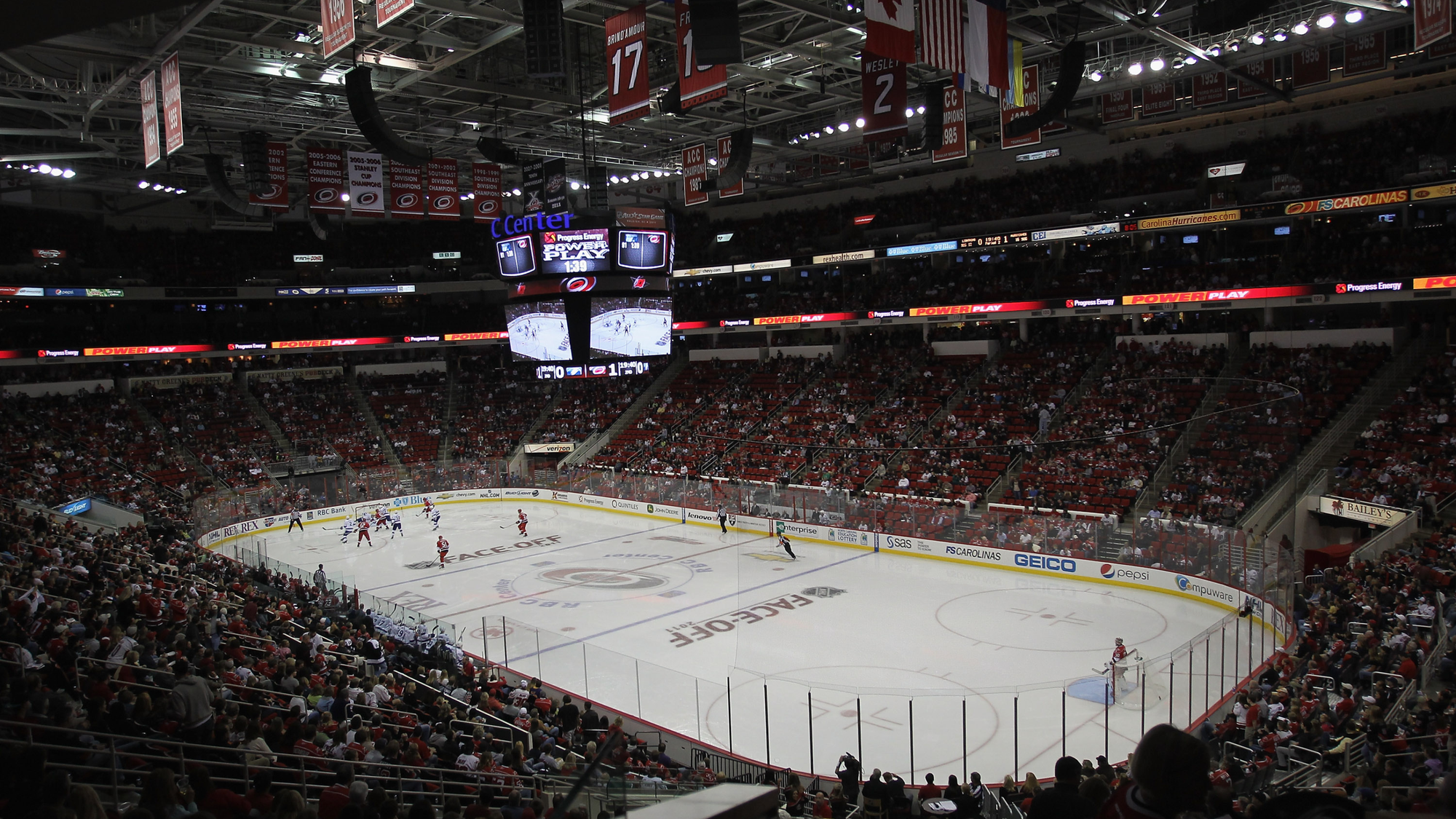
Enter Tom Dundon, a Dallas-based billionaire who co-founded Drive Financial, a company specializing in high-interest car loans, in the 1990s. Drive was sold to Santander in 2006, with Dundon staying on as chairman and CEO. He left the company in 2015, amid lawsuits from several states (including Oregon) over predatory lending practices, walking away with over $700 million as part of his severance agreement.
Dundon grew up a huge sports fan and, now that he was done working his day job, set his sights on buying a professional team. It didn't matter what sport—he just wanted a team. Living in Dallas, and living in the tax bracket he was in, he'd become friends with then-Mavericks owner Mark Cuban, who made being an owner look like a great time. Dundon wanted in.
The Hurricanes proved to be the exact opportunity he was looking for. It was a team that had been irrelevant for years, in the league that was a distant fourth in popularity among the big-four American sports leagues, but it was a major-league pro sports team.
"I didn't even know they were in Raleigh, to tell you the truth," he admitted in an interview on a June 2020 episode of The Cam & Strick Podcast.
By the time Dundon agreed to buy a majority stake in the Hurricanes in late 2017, Karmanos had been trying and failing to find a buyer for several years. A couple of sale agreements fell through, with Karmanos reportedly seeking $500 million for a controlling stake. The final sale price for Dundon to buy a 52 percent stake was $420 million. By the time the sale closed, he had paid an additional $100 million-plus to buy out a few other partners and increase his percentage share into the 60s. (A few years later, he bought out Karmanos' remaining stake and became the sole owner of the franchise.)
It was just the kind of bargain Dundon had made his fortune in identifying, but he mostly did it for his own amusement.
"The investment thesis was not good," he told The Cam & Strick Podcast. "But it was something I thought I'd enjoy."
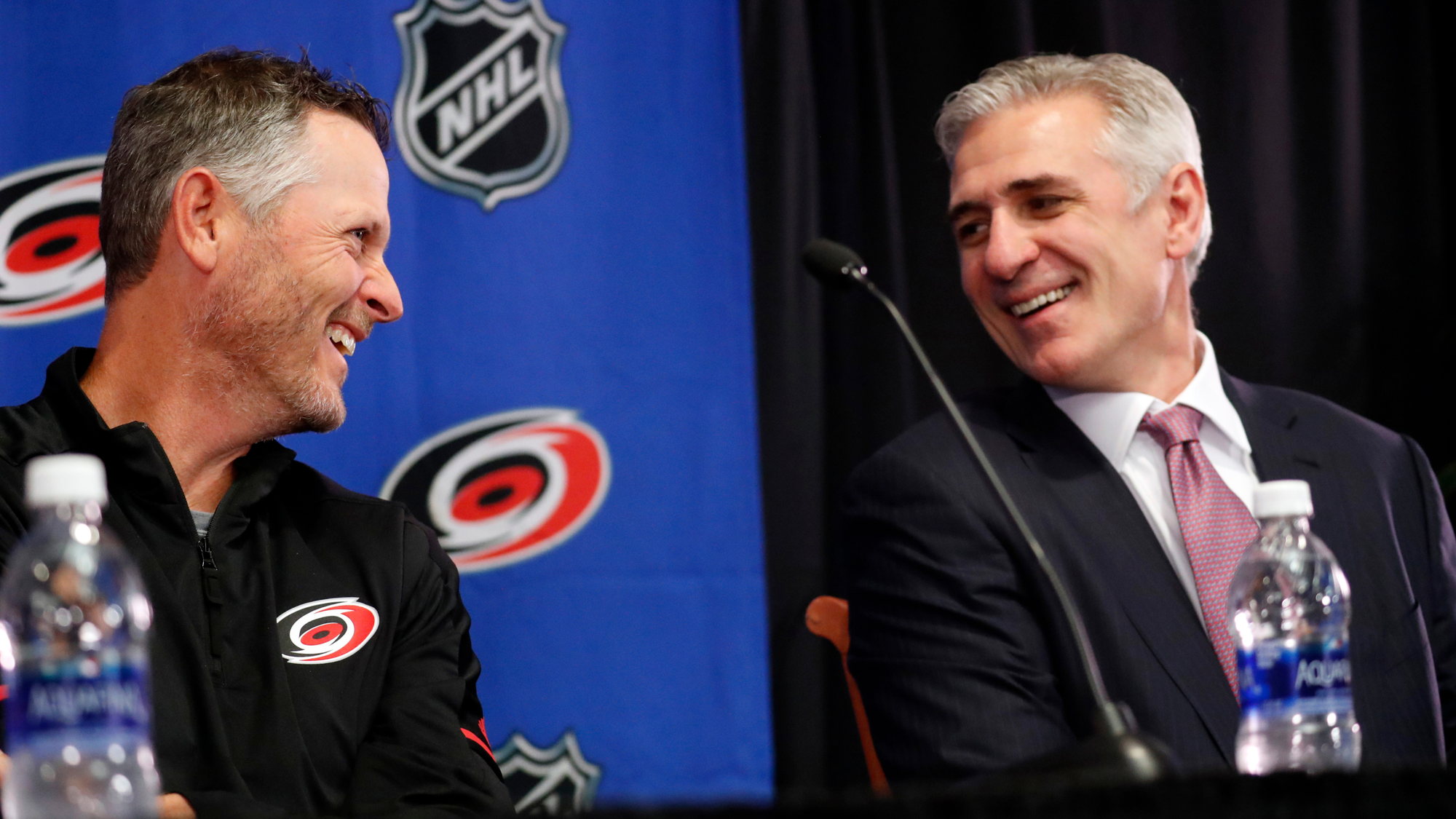
Dundon officially took over after the sale closed in January, in the middle of the 2017-18 NHL season. He largely stayed in the shadows for the rest of the season, watching and learning.
It didn't take him long to figure out what was obvious to everyone else in the hockey world: the Hurricanes were about the furthest thing from a premier franchise.
"Nobody would admit it, but everybody thought we were supposed to lose," Dundon told The Full 60 podcast in 2021. "The feedback I got was that people go into Carolina and expect to win. It was almost a night off. That's obviously not what you want."
The Hurricanes finished that season 36-46, missing the playoffs for the ninth consecutive year.
In March of 2018, after the trade deadline, Dundon announced that longtime general manager Ron Francis—a Hall of Fame player and franchise legend who held many all-time records from both the Hartford and Raleigh days—would transition to the role of President of Hockey Operations and the Hurricanes would begin a search for a new GM.
"Since I took control of the team, I've had a good chance to be around and assess the operations," Dundon said in a statement at the time."There are a lot of good people working in the organization, but I feel that a change in direction is needed when it comes to hockey personnel decisions. Ron is a smart and talented hockey man. I am glad that he will continue to be a part of the team, serving in this new role."
If Francis' change in title and responsibilities felt like a soft firing, Dundon made it official six weeks later. Team president Don Waddell, a hockey lifer and former player, coach and general manager, was named interim GM in addition to his responsibilities running the organization on the business side. Two months later, Dundon removed Waddell's interim tag and made him the permanent general manager while retaining his role as team president.
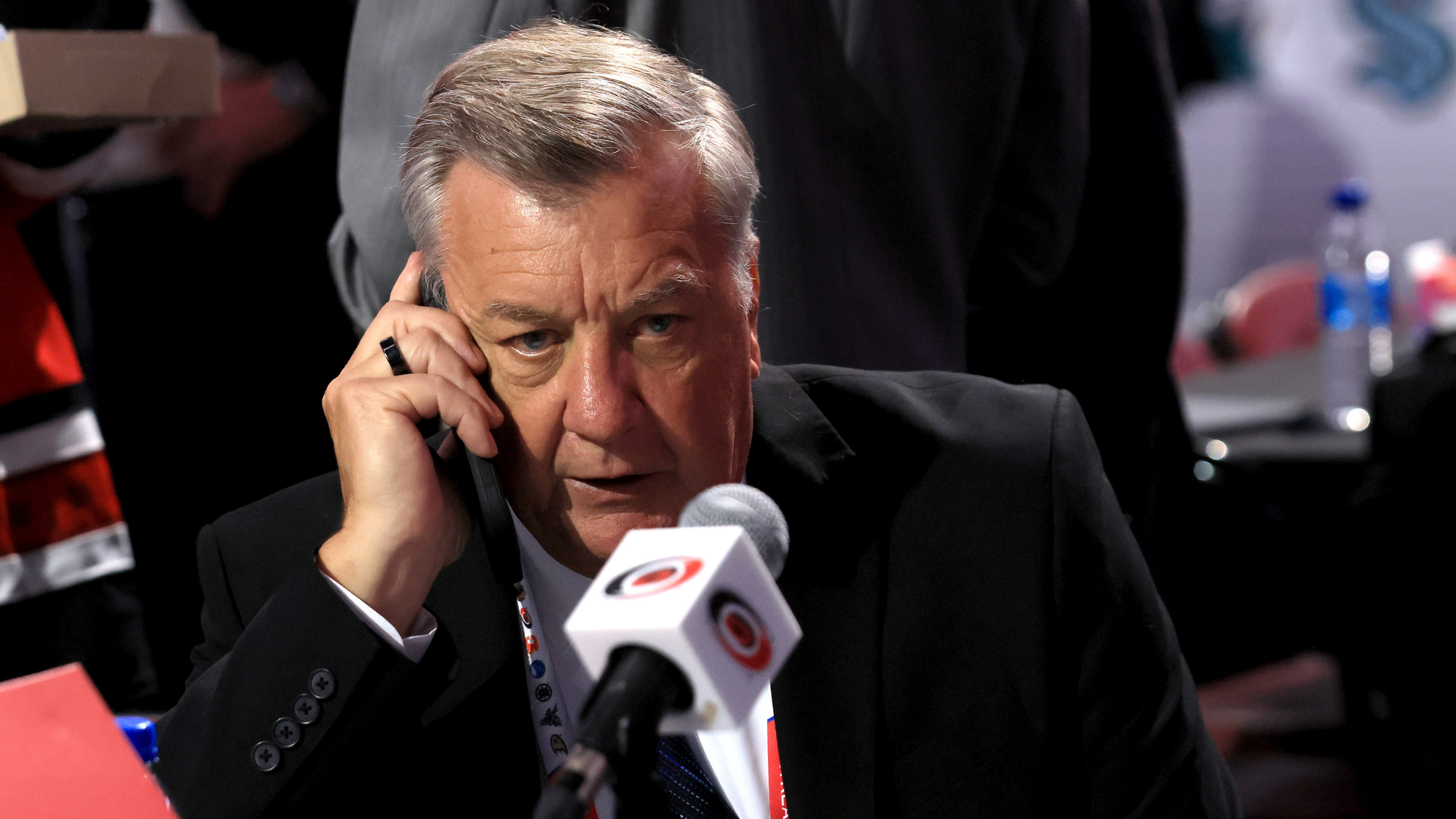
Having the same person run both departments is a highly unusual setup across all major sports leagues. Some viewed this move as a sign of Dundon's unconventional, outside-the-box approach to leadership and management; others thought he simply didn't want to pay two top executives to run hockey and business operations.
That same offseason, head coach Bill Peters opted out of his contract and stepped down to take a job with the Calgary Flames. Peters said at the time that he resigned because he saw the organizational shakeup was coming and believed "[a] new GM deserves the opportunity to hire his own coach. And especially when you combine it with a new owner and a new GM, I think they need to chart their own path."
At the same time as these organizational changes were happening, Dundon began meeting with players. He later recalled telling the team at one of those early meetings: "If we're being honest, this brand isn't something that's talked about in the hockey world or generates a lot of pride. We're going to change it."
He also told the players: "We're in the entertainment business. These people pay a lot of money to come see you. You're going to have to engage back. If that's a problem for you, you need to come talk to me and we'll find somewhere else for you to be."
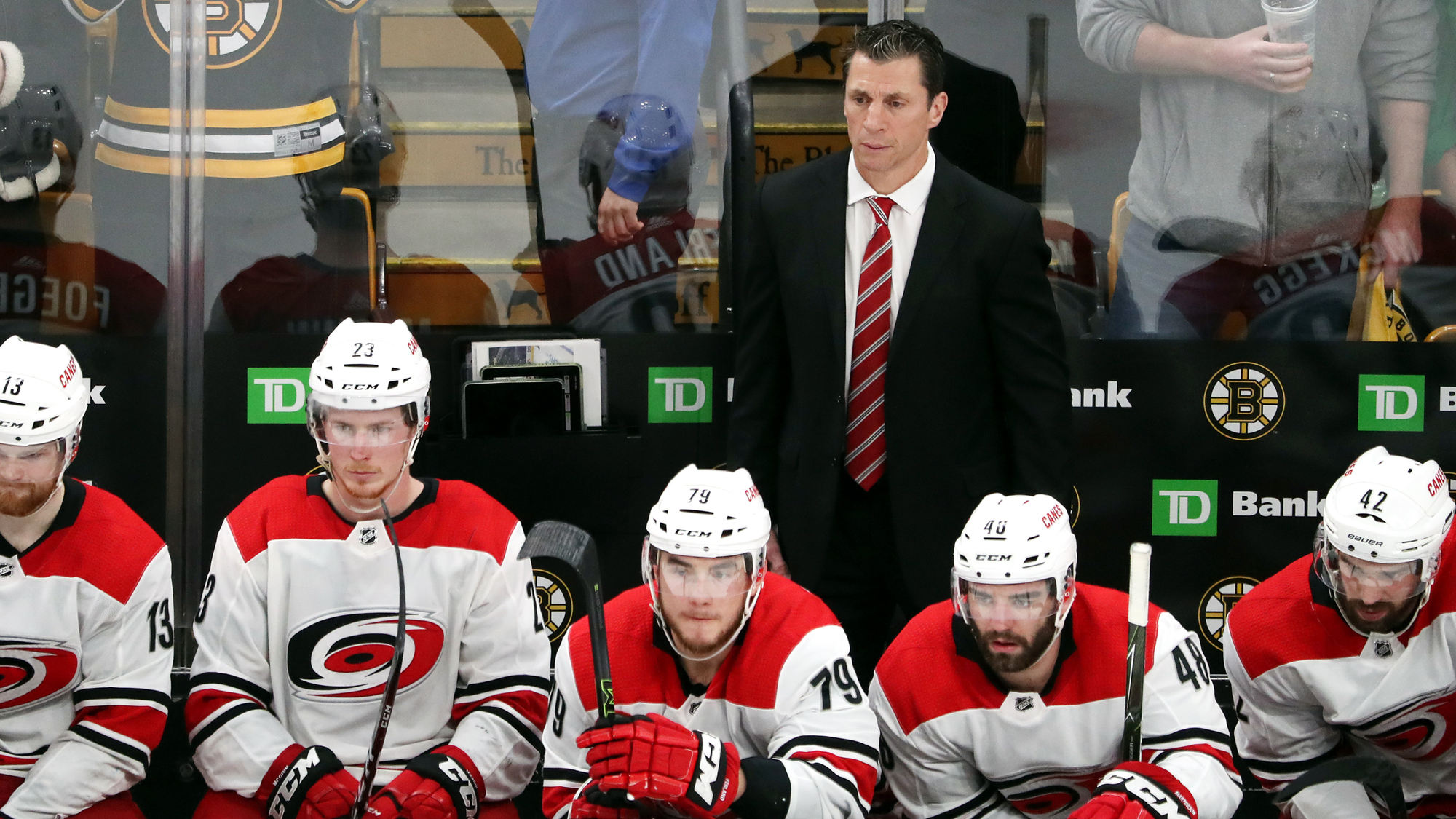
By his own admission, Dundon went into his first offseason in control of the Hurricanes expecting to clean house.
After Peters' exit, Dundon and Waddell began looking for their first head coaching hire, and the owner had two self-admitted biases when he was putting together a list of candidates.
One, he did not want to hire a former player as coach, believing that it was rare for one person to excel at both things. Two, he wanted someone who hadn't been with the Hurricanes organization during their down years, preferring to bring in some fresh blood in an effort to change what he felt had become a losing culture.
Rod Brind'Amour checked neither of those boxes. He was exactly what Dundon wasn't looking for.
Not only had Brind'Amour spent the last 10 seasons of his 22-year playing career with the Hurricanes, serving as team captain on the 2006 Stanley Cup championship team and having his number retired by the franchise, but he'd been an assistant coach in Carolina since 2011.
Brind'Amour had a lot of fans in the building, though, and Dundon soon realized that and was swayed by holdover members of the front office that he deserved a shot. Brind'Amour was named head coach on May 8, 2018, the same day Waddell was named the permanent GM.
It was an extraordinarily lucky break for Dundon. In Brind'Amour, he had someone in-house who had the respect of both players and management, and the right temperament to be a head coach. More importantly, Brind'Amour and his family had put roots down in Raleigh and this was the only coaching job he would have been interested in.
Best of all, since he had never been a head coach before, Brind'Amour didn't command the kind of salary a more experienced coach would.
Despite Brind'Amour's legendary status with the organization and with Hurricanes fans, Dundon faced criticism at the time for the hire for the exact reasons he didn't initially want to hire him to begin with. Was the best person to turn around an organization that had been in the gutter for over a decade really someone with no head coaching experience who was very much a part of the way things were before he bought the team?
Dundon pushed back at the notion that Brind'Amour got the job because he'd do it for a relative pittance. He spun it instead as a Moneyball move, finding value where other organizations sink money that will never give return on investment.
"I'm willing to take someone that I think is really talented and give them that opportunity," Dundon said in 2021 on The Full 60 podcast. "Rod's a good example of that. He was an assistant coach on a team that never made the playoffs. I promise, when I got here I didn't think I'd be hiring an assistant who'd been around the team for years to be the next head coach. That was probably never something I thought could happen. But then, you're around this person and you see how people respond to him and his work ethic and these other great qualities, and you give him the job and people think it's because you don't want to spend money, and it's nothing to do with that. It's that I found someone that I thought could give us the best chance to win at a price I thought was right."
It was immediately clear the following season that Brind'Amour was the right choice. The Hurricanes won 46 games in 2018-19 and not only broke their nine-year playoff drought, they made it to the Eastern Conference Finals, knocking out the defending champion Washington Capitals in the first round.
Brind'Amour drew rave reviews from players, who respected not only what he'd accomplished in his playing career but the discipline of his maniacal workout routines that didn't change after he retired.
"Our team's identity comes from him," star center Sebastian Aho told ESPN in 2019. "It's not just that he's the most fit guy here. He's a great leader. You want to learn from a guy like him."
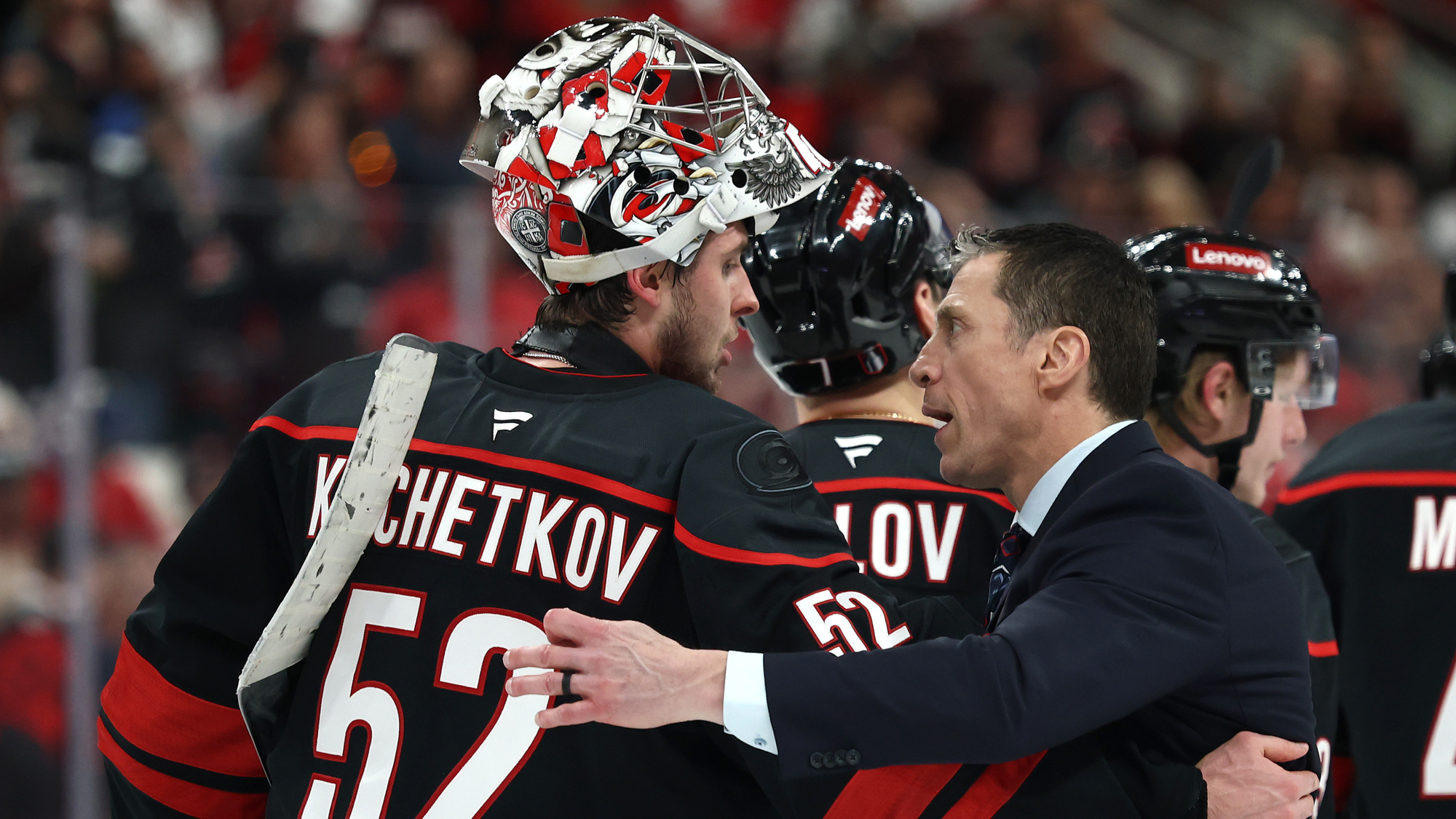
That immediate success wasn't a fluke, and the respect Brind'Amour commanded among players has held up now for eight years and counting. The Hurricanes haven't missed the playoffs since he was hired, and have made it out of the first round all but once in that time. They've made two Eastern Conference Finals in the last three seasons, including in 2024-25. As of today, with 12 games remaining in the 2025-26 NHL season, the Hurricanes have the best record in the Eastern Conference and a commanding lead in the Metropolitan Division.
Dundon has consistently called the decision to make Brind'Amour the head coach the most important move he's made since buying the Hurricanes, and he's never considered blaming him for the team's shortcomings.
"If it goes wrong, it's my fault," Dundon said on the Frankly Speaking With Frank Seravalli podcast in 2023. "Rod's going to coach our team, if he wants to, for 20 years. If we don't win, it's going to be because we didn't get him good enough players."
Still, every time Brind'Amour's contract is close to being up, speculation renews that this time will be the time the coach realizes he isn't paid what he should be given his now-formidable track record and looks at other options where he won't be taken for granted. Rarely have his contract talks with the team gotten wrapped up ahead of time, which feeds into the perception that even for someone that important to the franchise, Dundon has a limit for how much he'll spend. Whenever he's been asked about it publicly, Dundon has insisted that he's not worried about his coach walking despite being one of the lowest-paid head coaches in the NHL.
For now, he's been proven right. In May of 2024, as his contract was set to expire, Brind'Amour signed a five-year extension with the Hurricanes that will keep him in Raleigh through 2029.
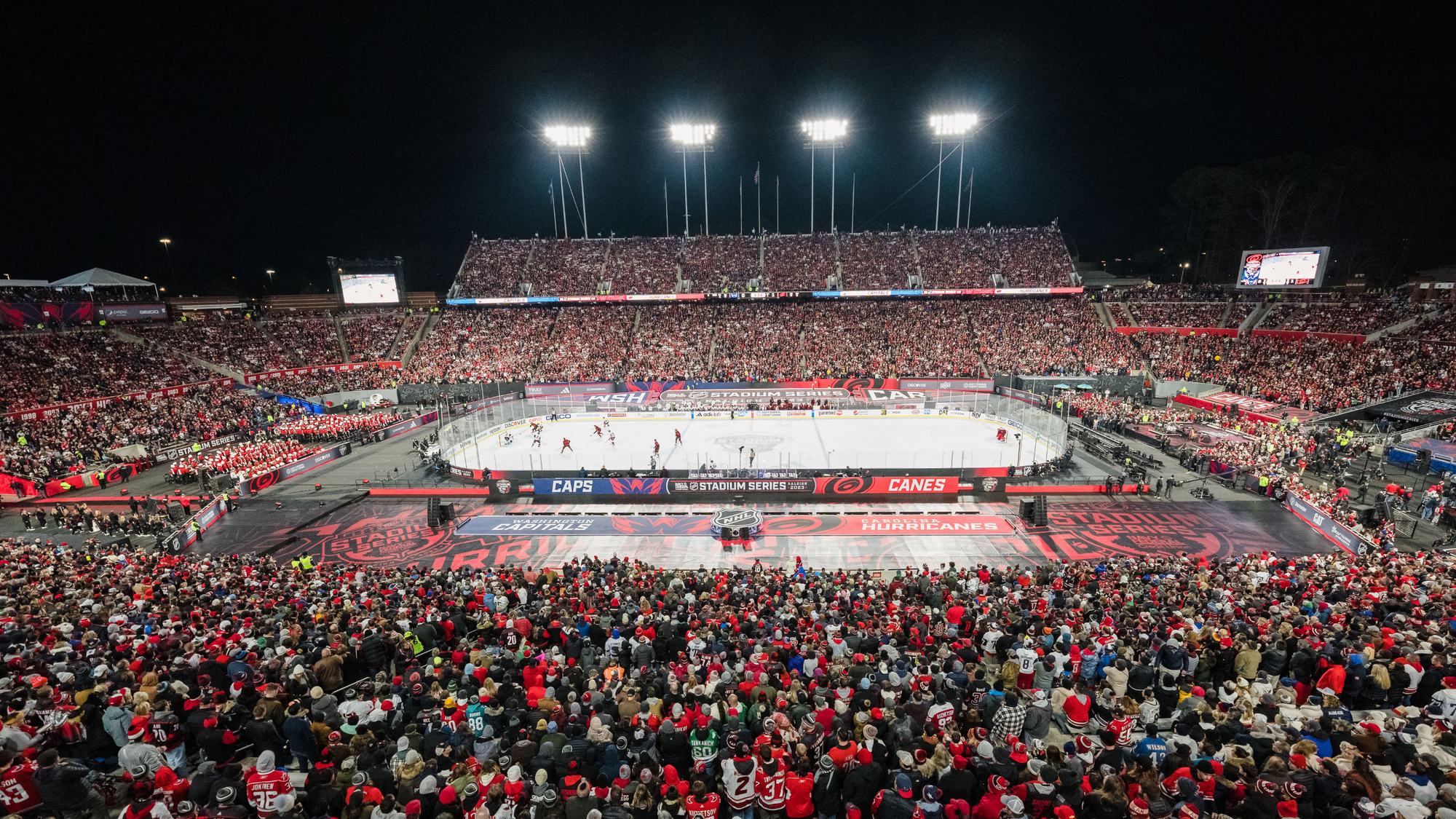
The Hurricanes' on-ice record in the decade before Dundon bought the team was abysmal. Fan and community excitement was even lower. They'd been bottom-three in attendance for four consecutive seasons and, according to Dundon, had just 4,000 season-ticket holders in an 18,000-capacity building.
Dundon had no reservations about shaking things up because there wasn't a lot worth preserving.
"The team I took over didn't have a lot of success, so I didn't really have a lot of downside," he told The Cam & Strick Podcast in 2020. "How bad could it be if I just tried it my way? My way has worked for other things. The Hurricanes brand wasn't great."
Early on, Dundon made adjustments to the fan experience like lowering the price of concessions and parking at the arena, but the biggest early breakthrough happened organically without his involvement.
As the new-look, Brind'Amour-led Hurricanes started winning, players began celebrating home victories with elaborate, choreographed celebrations on the ice. The new tradition, which became known as the "Storm Surge," quickly blew up and became something fans looked forward to after wins as the players tried to one-up themselves with new routines.
"We want to have fun when we win," team captain Justin Williams told ESPN at the time. "The game should be fun. We want the players to enjoy winning and the fans to enjoy being here."
Not everyone liked it, though. Hockey traditionalists and unwritten-rules types flipped out over the perceived lack of sportsmanship. Hockey Night in Canada commentator Don Cherry called the Hurricanes a "bunch of jerks" for the celebrations—accidentally giving Dundon a huge marketing gift as he looked to drive local interest in his team.
The Hurricanes capitalized on the controversy, printing up officially-licensed "Bunch of Jerks" t-shirts and selling them in the thousands in the team store.
"Anytime someone's talking about you, I think it's good," Dundon told ESPN at the time. "But let's be honest: You don't make a lot of money selling T-shirts and clothes. That's not how I pay the bills. I'm glad it exists. I'm glad for the opportunity. But it's not about selling the T-shirts. It's about that the people who buy those T-shirts enjoy it. They get to enjoy the Hurricanes and enjoy the sport. We don't have to control what people say about us, we just have to react."
Not only did Hurricanes fans have a team worth watching for the first time in many years, they now had an owner with the savvy to figure out what they cared about and find innovative ways to give it to them.
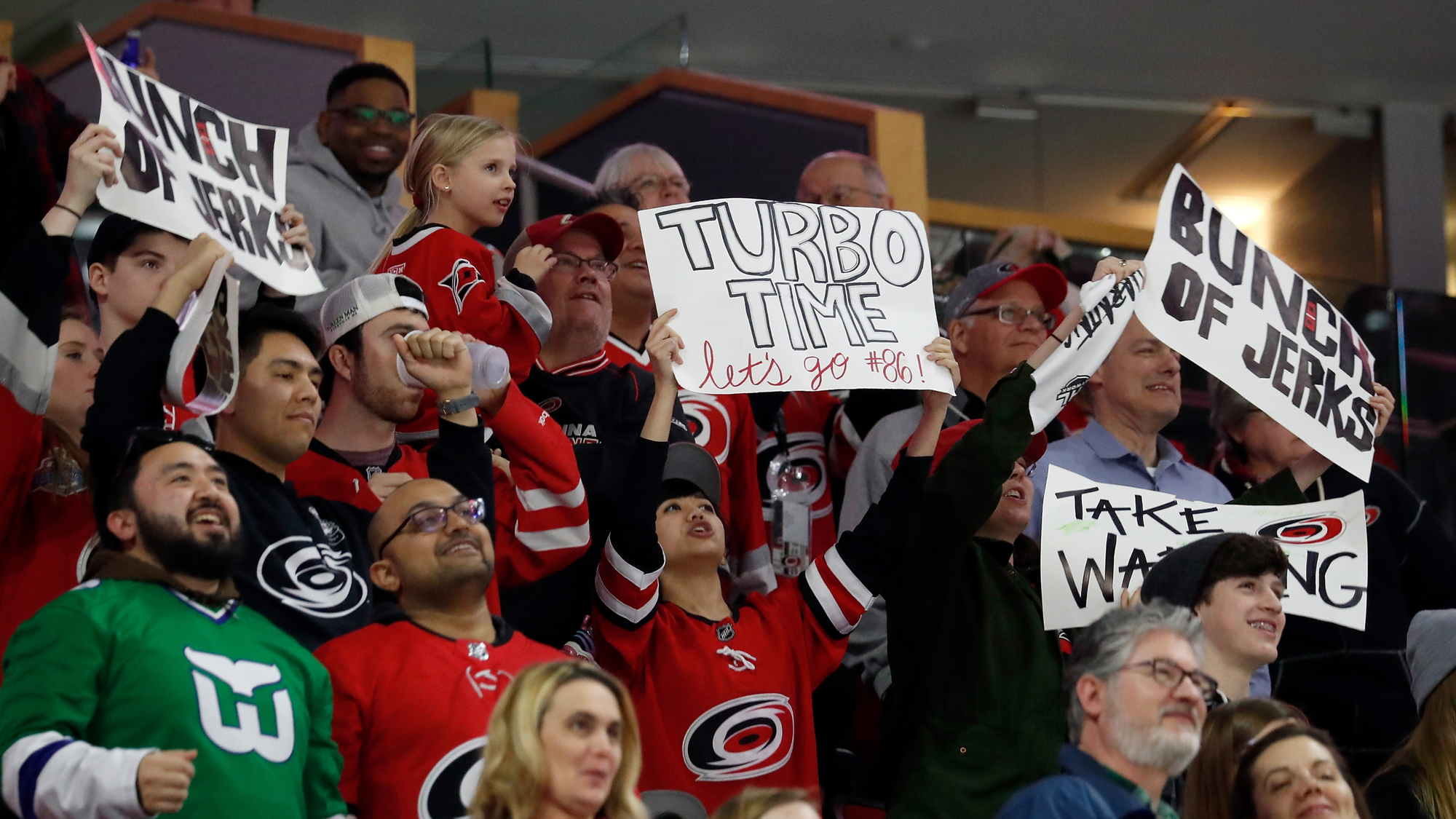
Dundon's other big marketing success was his staging of an outdoor "Stadium Series" game at nearby Carter-Finley Stadium. The NHL had been hosting outdoor games for years, mostly in big markets at iconic ballparks like Wrigley Field and Fenway Park. Dundon thought bringing that tentpole league event to Raleigh would be a way to make his presence known early in his tenure. Eventually, he got the NHL to agree. The Hurricanes were originally supposed to host an outdoor game in 2021, but the pandemic delayed it for two years.
The eventual Stadium Series game between the Hurricanes and Capitals in 2023 was an unqualified success, drawing a capacity crowd of over 56,000 fans. Just a few years before, it would have been unthinkable that a franchise that struggled to fill a third of its arena for home games could sell out a stadium.
That season, the Hurricanes finished second in the NHL in attendance. They've been in the top 10 each year since.
Shortly after buying the Hurricanes, Dundon also began negotiating with the city of Raleigh and Wake County on funding for renovations to what was then known as PNC Arena (now the Lenovo Center), not unlike the negotiations the Trail Blazers are currently in with Portland and Oregon lawmakers over the future of Moda Center. In 2023, Dundon secured a $300 million public-funding package for arena updates and signed a 20-year lease extension that will keep the Hurricanes playing in Raleigh through the 2043-44 season. He also plans to spend $800 million on development for an entertainment district around the arena.
Despite the dramatic turnaround of the franchise since he bought it, Dundon's tenure as owner of the Hurricanes hasn't been perfect, and he's made plenty of enemies.
Dundon's first offseason in charge was headlined by his front-office and coaching staff shakeups, but his most unpopular and ill-advised early move centered around the Hurricanes' radio broadcast.
Chuck Kaiton, a Hockey Hall of Fame honoree and 2016 North Carolina Sportscaster of the Year award winner, had been with the organization since 1979, when they were the Hartford Whalers, and made the move with them to Raleigh in 1997. His contract was up after the 2017-18 season, and the Hurricanes made him what can only be described as an offer designed to be turned down.
According to Kaiton's agent, Dundon offered the legendary play-by-play announcer a new contract that would have required him to take an 80 percent pay cut while allowing him to make up the difference by selling ad sponsorships.
“I was hoping for a reasonable offer to stay but obviously the offer was an invitation to leave,” Kaiton told The News & Observer at the time. “That is how I look at it. I really was hoping we could make some headway. It’s [Dundon's] decision to offer what he offered and it was quite a substantial decrease. It really basically told me they weren’t that interested in keeping me. That’s life. It’s his team.”
The Hurricanes had started telegraphing this move earlier in the summer, with Waddell telling the paper in July that the team having a radio broadcast was "not a prudent financial decision."
Kaiton walked after Dundon made the lowball offer, and the Hurricanes announced that rather than hire a new radio play-by-play man, they would begin simulcasting their local TV broadcast, featuring play-by-play announcer John Forslund and color analyst Tripp Tracey, on the radio.
Never mind that calling a game for television is a different artform than calling a game for radio, and attempting to put one call on both mediums clearly makes the product worse across the board—this was an early example of Dundon's philosophy of cutting costs on anything that doesn't directly contribute to on-ice success.
Dundon, for his part, was unapologetic about the change, telling The Cam & Strick Podcast in 2020: "I don't need two products to explain one game."
Forslund, who was similarly synonymous with the Hurricanes and had also been with the franchise for decades dating back to the Hartford days, left two years later after he and the team couldn't come to an agreement on a new contract. He was quickly hired as the new television announcer for the expansion Seattle Kraken franchise, a job he still holds to this day.
"There obviously was no history with regard to how he viewed my position in terms of the number of years I was there, or what kind of impact I had on the community or what kind of job I did for that organization," Forslund told Sports Business Journal years later. “Obviously, that meant nothing to him.”
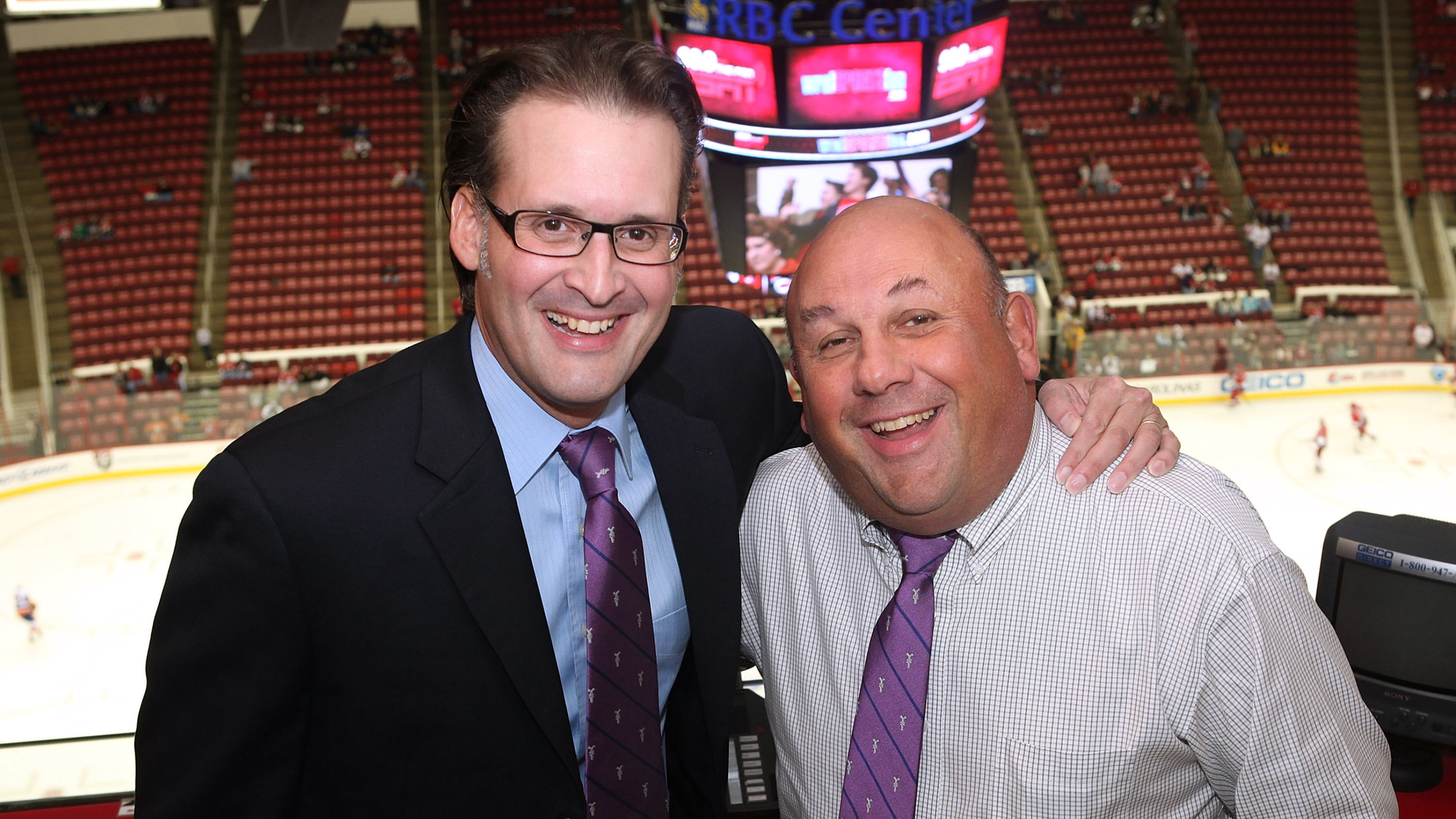
The fallout of the Kaiton decision helped earn Dundon a reputation around the hockey world as a cheapskate, and that perception extended onto the ice on at least one high-profile occasion.
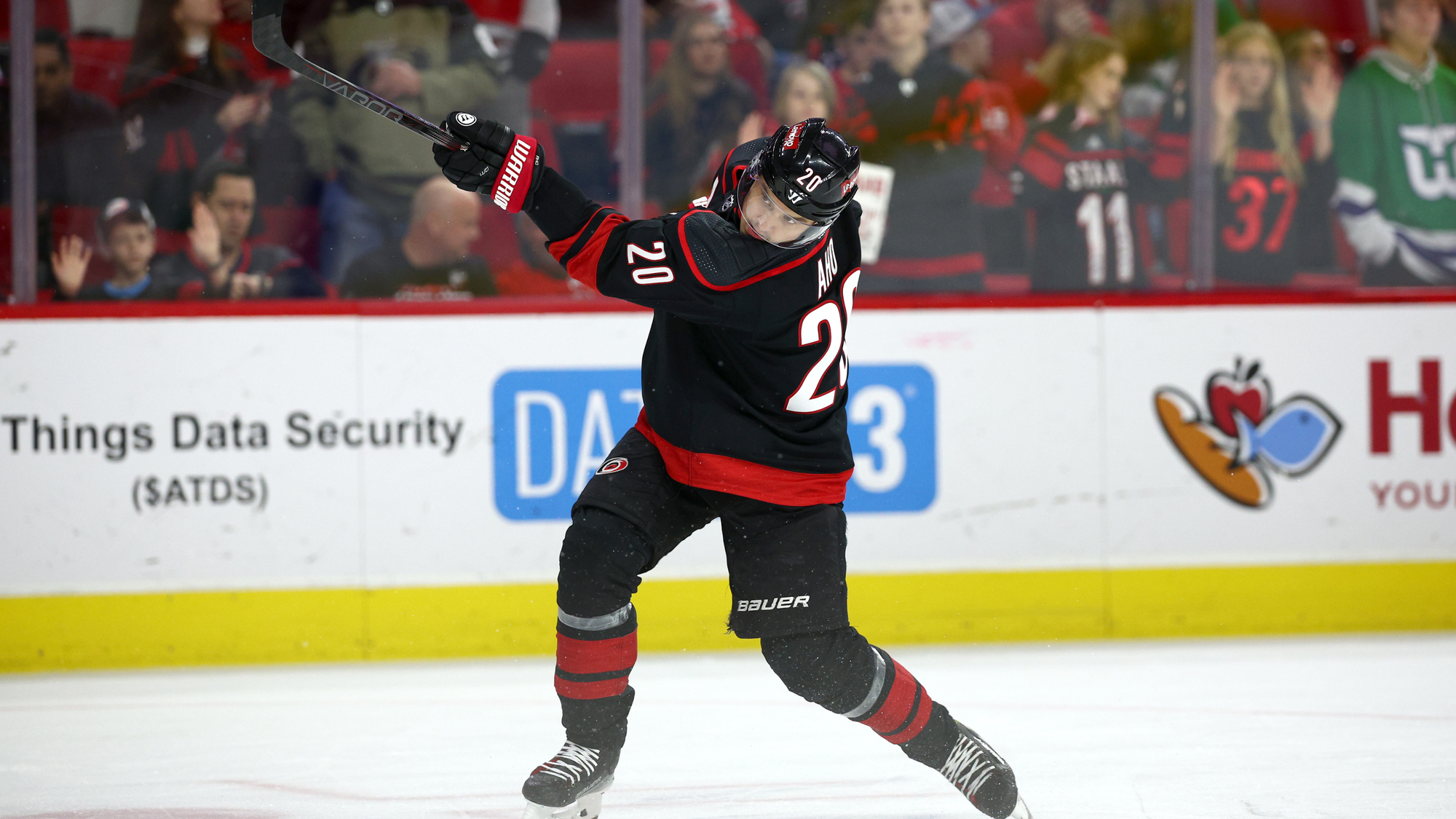
In the summer of 2019, third-year All-Star Sebastian Aho signed a five-year offer sheet with the Montreal Canadiens worth north of $8 million per year and filled with incentives and signing bonuses intended to make it difficult for the Hurricanes to match. They matched it a day later, and Dundon called the whole thing "a waste of time."
It's very uncommon in the NHL (or the NBA, which has a similar system for restricted free agency) for a team to actually sign a player to an offer sheet their team doesn't match. The Canadiens wouldn't have bothered tying up their own cap space with an offer sheet to a player as good as Aho unless they genuinely thought the Hurricanes either couldn't or didn't want to pay their young star.
That's what Dundon believes, anyway.
"It's obviously my fault," he told The Full 60 podcast in 2021. "If people believe what they believe, if we got offer sheeted because they believed something, then there's something I did to create an environment that was wrong. ... The upsetting part about it was, I understand offer sheets when there's cap issues. I don't really understand offer sheets in this situation. Someone thought I was either really dumb or really poor. And the fact that smart people could come to either of conclusions is a little strange. But it all worked out in the end. There's something I did that put the Carolina Hurricanes in a position to have that happen to us. I've got to be careful that I don't do and say things that create an alternate reality."
Matching Aho's offer sheet didn't do much to counter the reputation Dundon was developing around the NHL. In both 2022 and 2025, The Athletic's poll of anonymous agents painted Dundon and the Hurricanes as among the worst organizations to deal with. Dundon won "worst owner in the league" honors by a landslide in the 2025 poll, with multiple agents lamenting how hands-on he is in contract negotiations. Waddell's dual roles running the hockey and business sides of the organization came up in the 2022 poll as an example of Dundon's extreme cost-cutting tendencies.
“He’s lucky he has a great coach that really only wanted to coach in Carolina, otherwise he would have been bitten in the ass much sooner," one agent said.
Maybe not surprisingly for a man who made his fortune on subprime car loans, Dundon is a big fan of taking on distressed assets with his hockey team. In two cases, that has meant a willingness to add players with off-the-ice issues that make fans uncomfortable, worrying only about how good the player is.
In the 2021 offseason, the Hurricanes signed defenseman Tony DeAngelo to a one-year, $1 million contract. DeAngelo had previously been suspended in the minor leagues for calling a teammate a slur, been suspended multiple times for physical abuse of officials and been cut by his previous team, the New York Rangers, for fighting a teammate.
In a press conference after the signing, Waddell and DeAngelo gave some platitudes about DeAngelo being a changed person after undergoing counseling. Still, the move left a sour taste in the mouths of fans that had embraced the Hurricanes' return to consistent playoff contention under Dundon.
"The truth is that the Hurricanes and DeAngelo had no answers because there are no answers, except for the one nobody wants to believe: The Hurricanes are just like every other team," The Athletic's Sara Civian wrote at the time. "I wish it was as simple as to say that the Tom Dundon-owned team is just poor and taking what it can get. That’d be the most generous interpretation of what the Hurricanes have done this offseason. And I wish there had been some compelling reason given by the team Wednesday for its belief that DeAngelo has changed."
Much more disturbing was the Hurricanes' flirtation last fall with signing former New Jersey Devils center Michael McLeod. McLeod was one of five players who had been accused in 2018 of sexually assaulting a woman in London, Ontario at the Hockey Canada Foundation Gala. After a mistrial, McLeod and his four teammates were eventually acquitted of the charges, but were still suspended by the NHL until Dec. 1 of last year, with the league calling the players' actions "deeply troubling and unacceptable."
Multiple reports last offseason indicated that the Hurricanes were one of the teams kicking the tires on signing McLeod. As with the DeAngelo signing, this was met with significant backlash from local media and fans.
"The Hurricanes see a former first-round pick available for nothing, a right-shot center who wins faceoffs, now acquitted of the charges against him," News & Observer columnist Luke DeCock wrote in September. "Dundon made his billions in part by buying distressed assets like this, especially since entering the world of pro sports. He bought the Hurricanes from a broke Peter Karmanos, the Portland Trail Blazers at an estate sale and a football minor league that ran out of cash (only to shut it down). This is his metier."
The Hurricanes ultimately decided not to offer a contract to McLeod, who signed with a team in Russia shortly afterwards.
For better or worse, Dundon clearly does not care what people think of him or his decisions. Nearly a decade of interviews and public comments as owner of the Hurricanes have consistently a shown a willingness to be unpopular and a belief that fans will overlook just about anything if their team is winning.
As he told The Two-Man Advantage podcast in 2019: "I'd rather have more success with more criticism than be irrelevant."
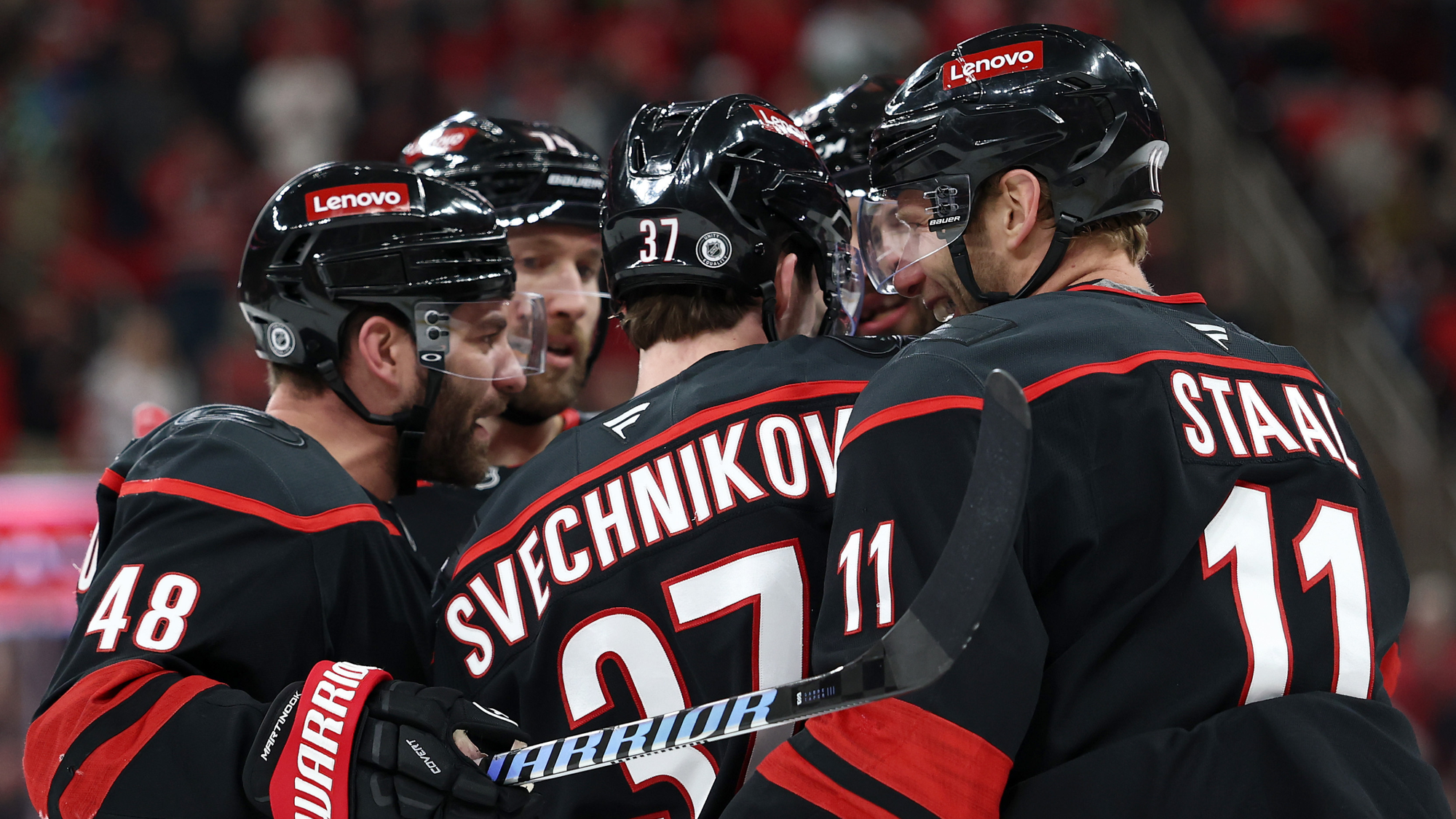
Dundon's hands-on approach to hockey decisions and unconventional front-office structure has been polarizing, but the results are hard to argue with.
Early on, Dundon wasn't just unhappy with the Hurricanes' record—he didn't much enjoy their style of play, either.
"The problem when I got there was we couldn't score," he told The Full 60 in 2021. "I'm not interested in winning 2-1."
Dundon even went so far as to promise that the Hurricanes wouldn't take defensemen in the first round of the draft as long as he owned the team.
As luck would have it, the Hurricanes moved up too high in Dundon's first draft lottery for that to be a consideration. Carolina landed the No. 2 overall pick in the 2018 draft and took Russian wingman Andrei Svechnikov, who has gone on to become an All-Star.
Interestingly, since Dundon bought the team, the Hurricanes have drafted an unusually high number of Russian players, in large part because of the looser transfer rules between the KHL and NHL than in other international leagues. It's one of many market inefficiencies the Hurricanes' front office has identified and exploited.
Dundon makes no secret of his belief that any employee besides the very best hockey players in the world is replaceable. That extends to coaches and front-office executives, and explains a lot about his attitude towards staff salaries.
"I don't believe that there's only 31 people in the world that can do some of these jobs," he said on The Full 60. "I think there's more than that. We run our budget on the business side as it relates to our market, not as it relates to the other 30 teams. We run our player salaries as it relates to the NHL and the maximum that we can pay. That's what we do."
Dundon was successful in business by embracing data and analytics, and he brought that approach to hockey as well. He speaks often of combining "art and science," which is just a fancy way of saying he wants his front office to use both numbers and the eye test when evaluating players.
"You have to have balance," he said in 2021. "If you ignore [analytics], I'll beat you, and if you only use it, I'll beat you. If you think only analytics can build a hockey team, you're probably going to have a bad hockey team. But if you think your eye test can beat somebody who uses both, you're going to be at a disadvantage."
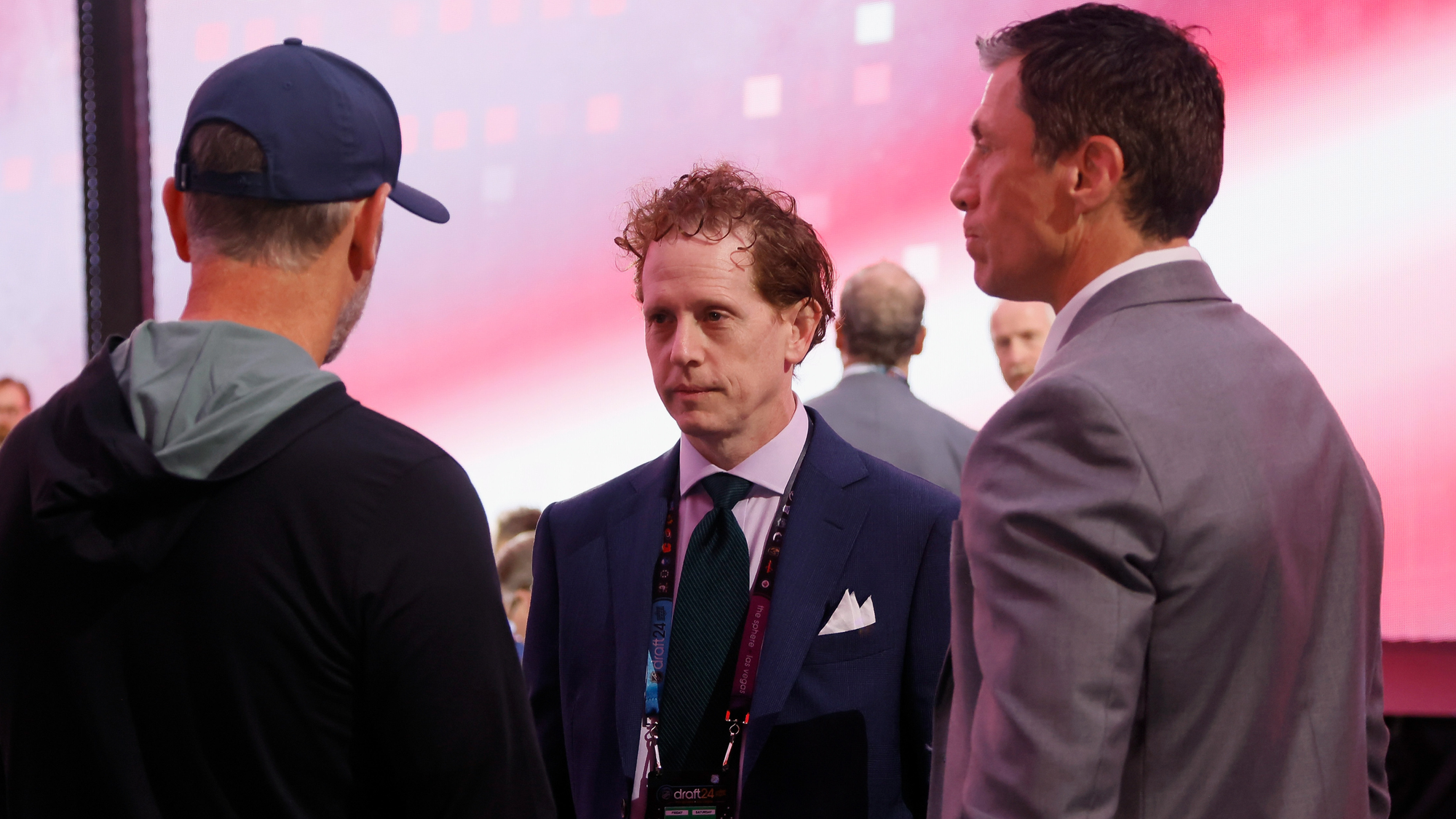
Despite his hands-on approach to player personnel, Dundon hasn't proven to be an impulsive decision-maker. He doesn't spend big money in free agency, believing that leads to paying a premium for players other teams were willing to let go. He'd rather trade a player in the last year of their contract than let them get to free agency and risk losing for nothing. His draft philosophy is firmly best-player-available.
And he isn't interested in intentionally making his team worse to manipulate draft position. He wants to win every year.
"I don't believe in the 'window' thing," he said on Frankly Speaking With Frank Seravalli in 2023. "It's really hard to envision a time when we're not one of the better teams, unless we do dumb things in the short term. So we're not going to do dumb things, but we might do things on the margins that are more aggressive."
In 2024, Waddell's contract expired and Dundon, as he does with even his top employees, allowed him to explore other options. Waddell chose to leave the organization and join the Columbus Blue Jackets front office. Dundon promoted his top assistant, Eric Tulsky, to GM, first on an interim basis and then permanently.
Earlier in March, Dundon sold a 12.5 percent stake in the Hurricanes at a $2.66 billion valuation to come up with the cash close the sale of the Blazers by the end of the month.
Donations help support independent coverage of the Portland Trail Blazers and Portland Fire.

A mysterious pop-punk song has soundtracked birthday messages at every Blazers home game for years. Where did it come from?

Sharpe suffered the injury during a personal workout last week.

Wednesday's vote is the start of what will likely be contentious negotiations with the Trail Blazers over their long-term future.

Portland's newest professional basketball team also factors into the ongoing arena talks.